
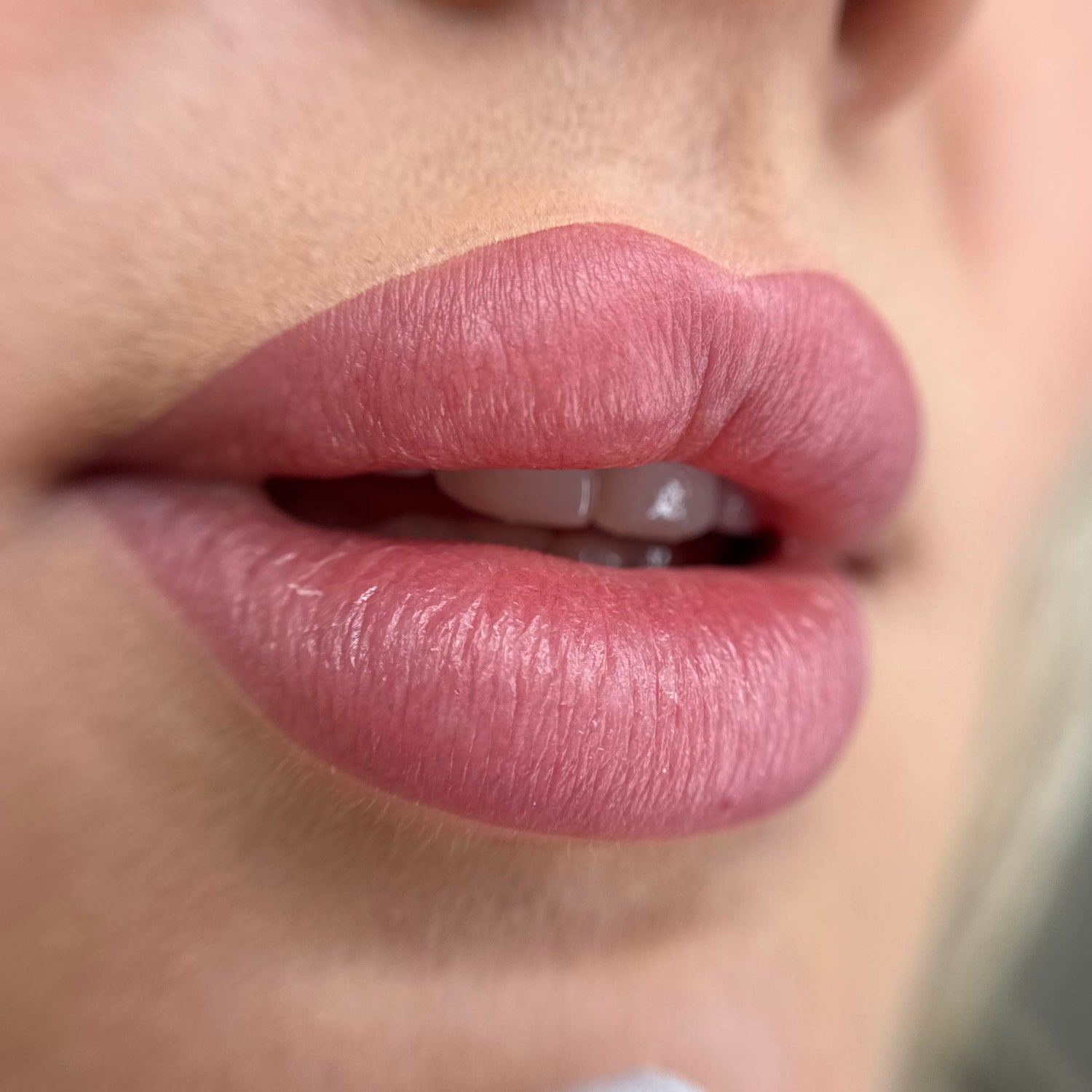
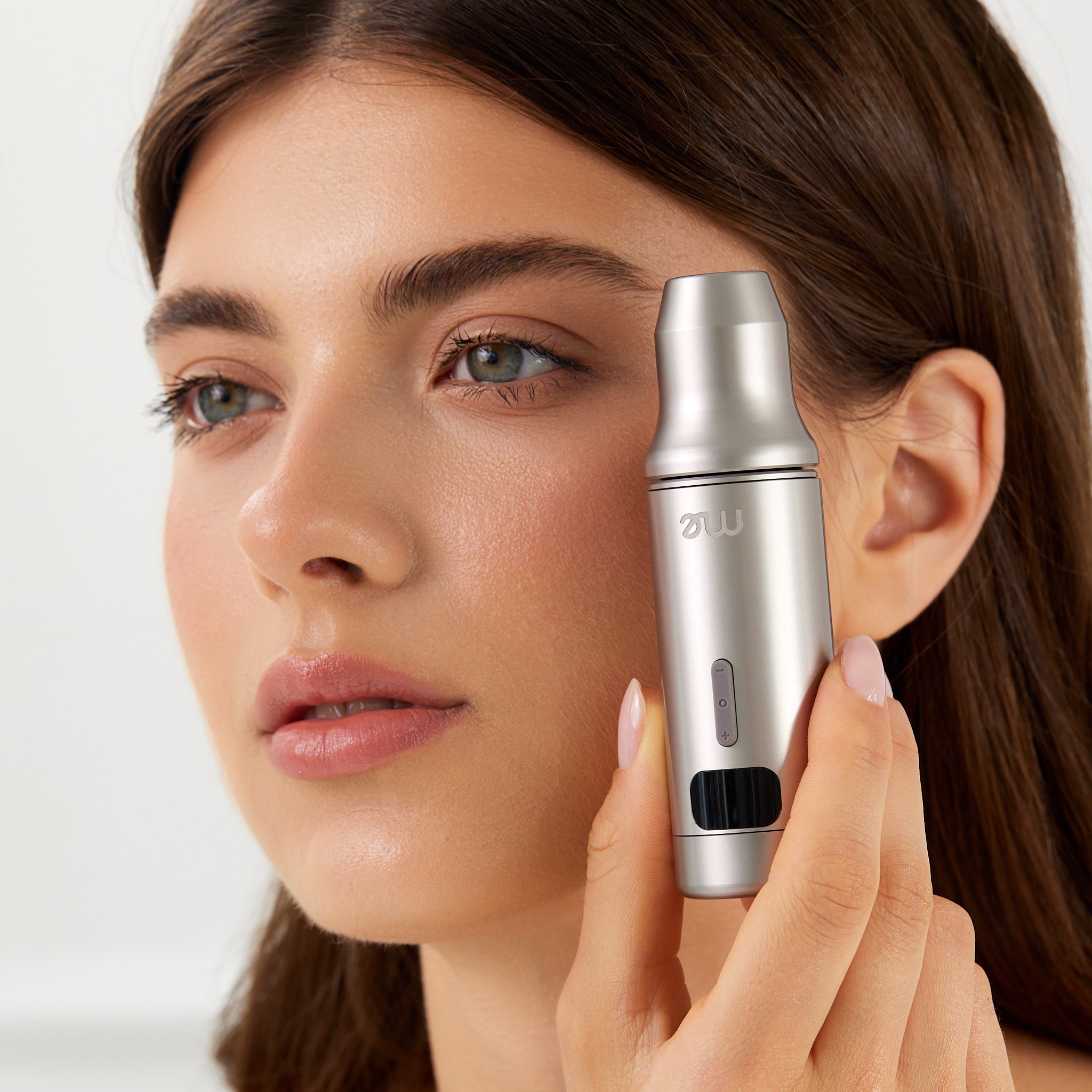
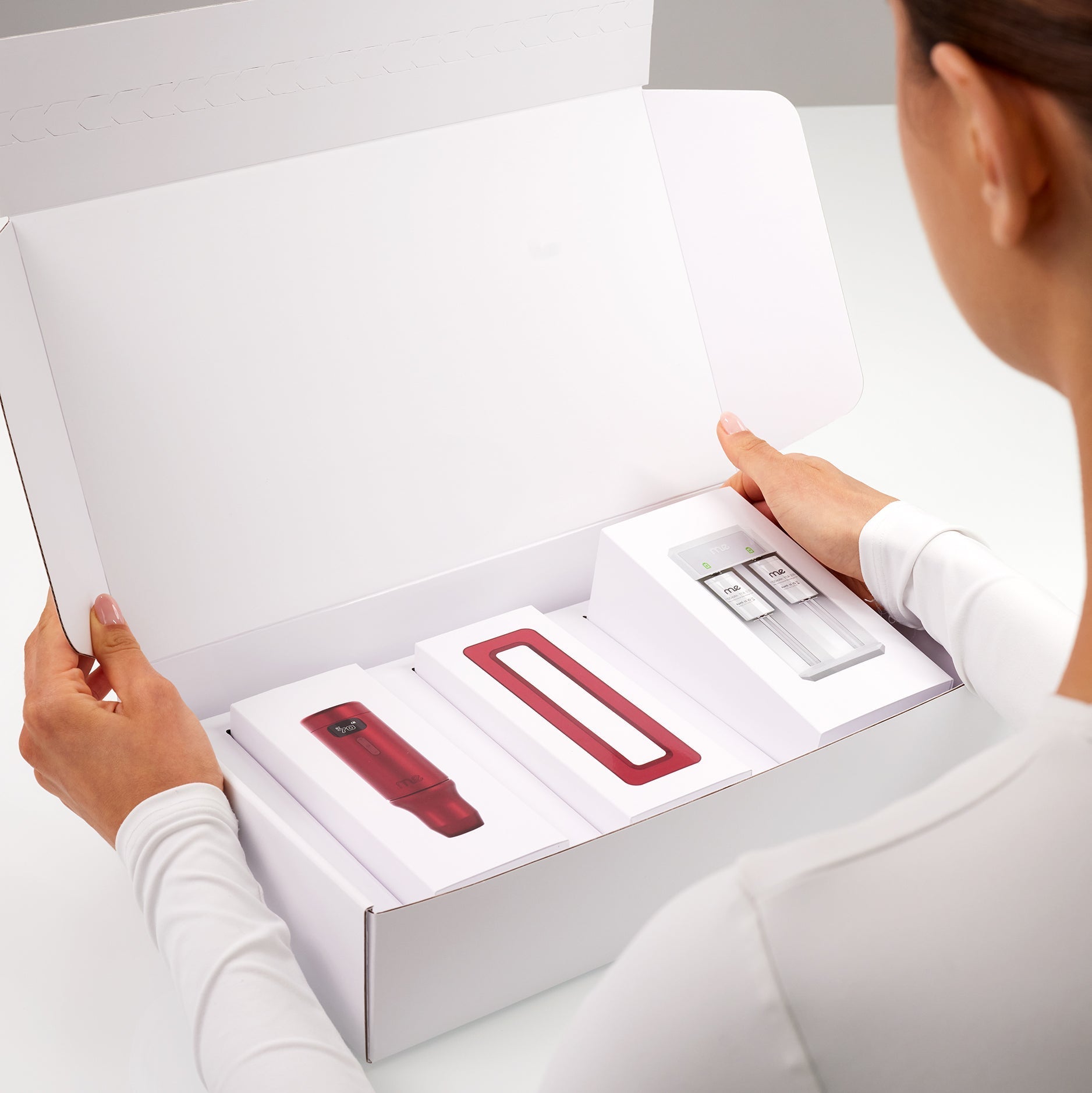
Why We Created a Dedicated Lip Device Lips ME Motion Control 2.8mm
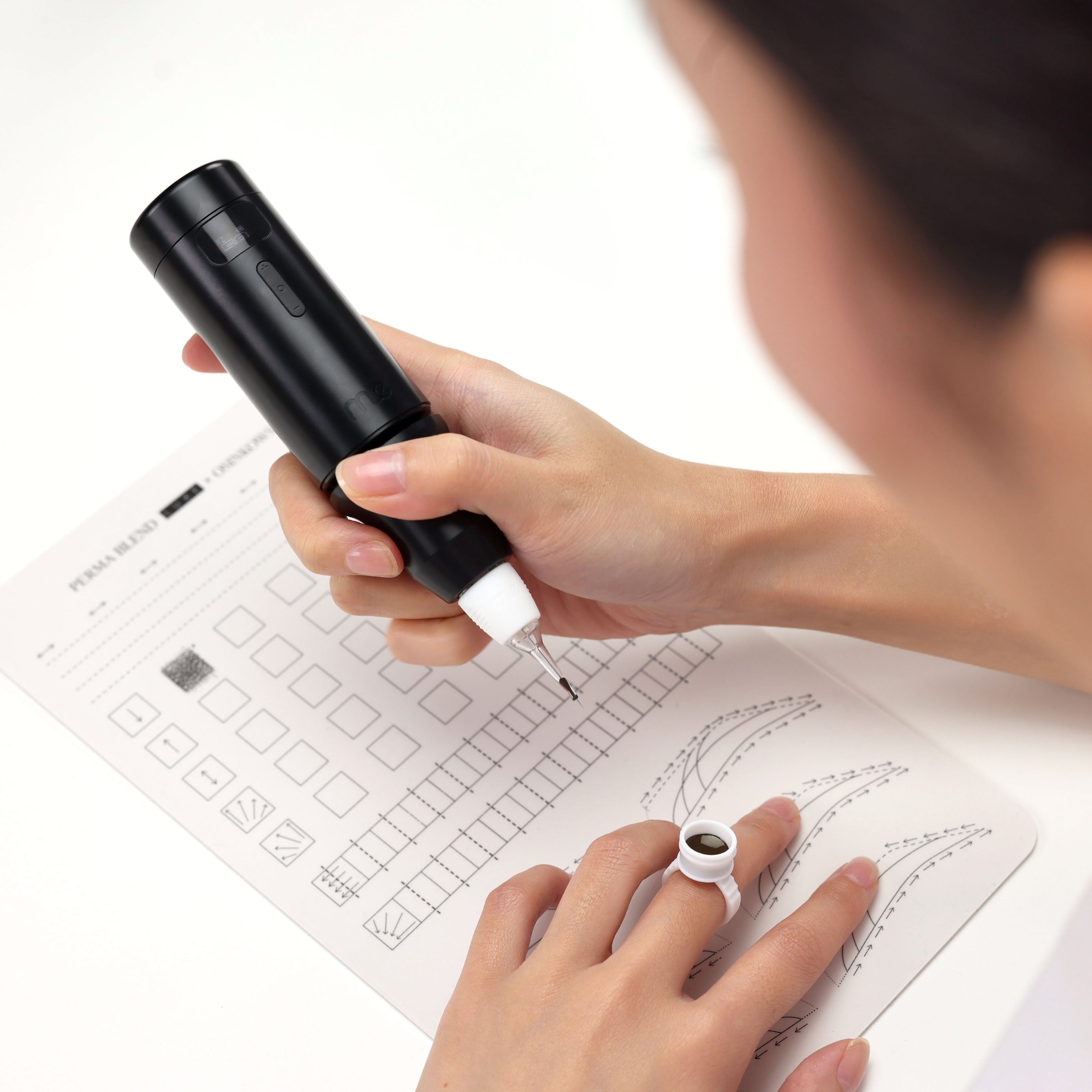
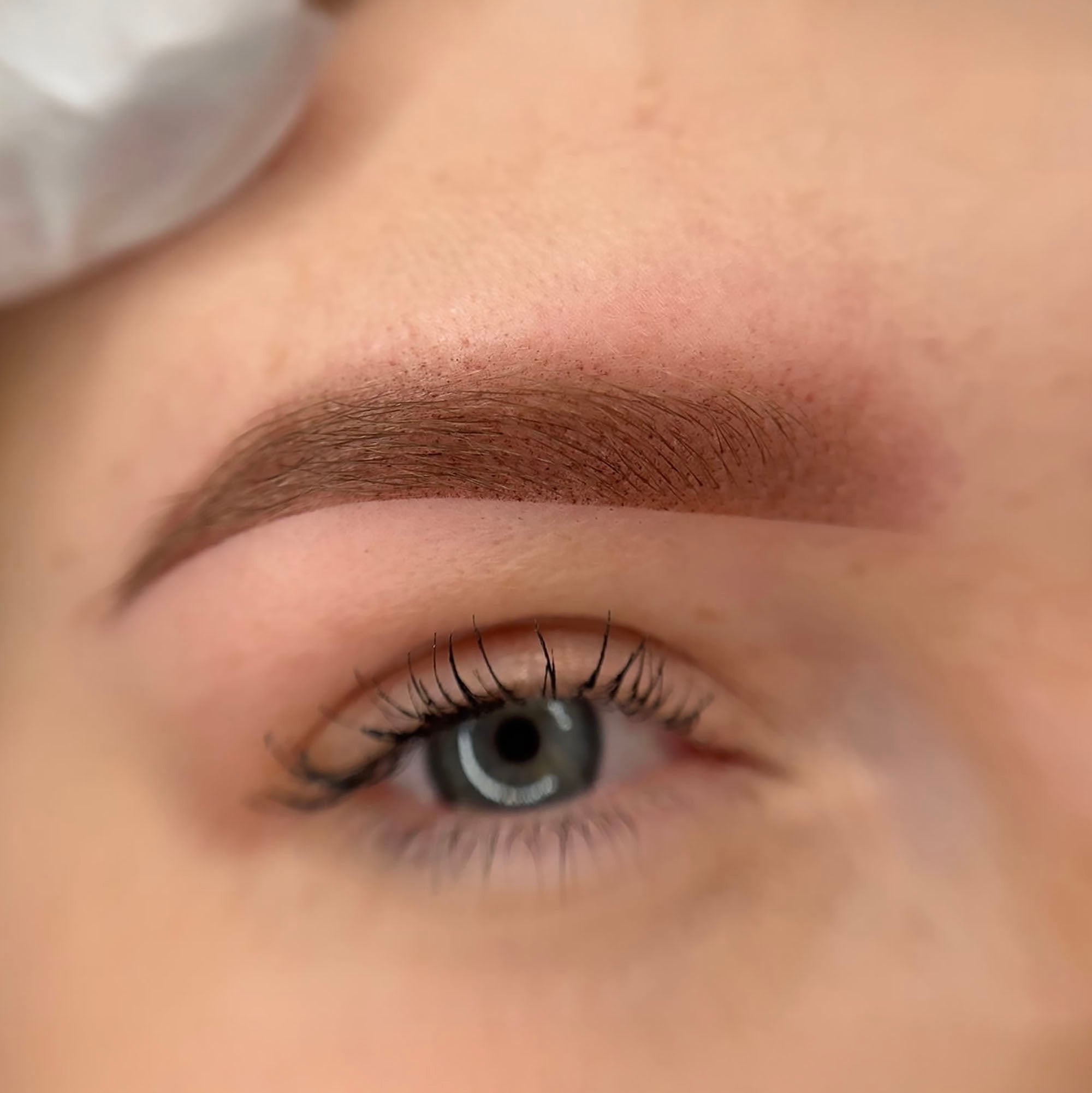
For over a year, Lizaveta Prudnikava worked with the ME 3.5mm configuration, almost exclusively for eyebrow pigmentation.
One day I asked her a single question.
"Why don't you use the same machine for lips?"
Her answer was just as short.
"Something is missing."
That conversation was the start of our collaboration.
It wasn't about building another lip machine. It was about understanding exactly what was missing.
We Didn't Start With Stroke Length
Changing stroke length is the oldest method of modifying a PMU machine's behavior.
For us, it was never the starting point — it was one variable among many.
Together with Lizaveta, we spent months testing different mechanical configurations, observing how lip tissue reacts to needle movement.
Not just pigment retention, not just the healed result — the tissue itself.
Every Pair of Lips Behaves Differently
Lips are not mechanically identical. This was one of the biggest engineering challenges of the entire project.
We deliberately tested different tissue characteristics:
- mature lips,
- lips with vertical wrinkles,
- lips with horizontal wrinkles,
- lips previously treated with hyaluronic acid fillers,
- very elastic lips,
- soft lips,
- dense lips.
The goal was one.
One motion profile. Predictable implantation. Across the widest possible range of tissue conditions.
We Watched the Tissue, Not the Machine
Every test session came back to the same questions.
How does the tissue react? How much does it deform? How does elasticity affect pigment implantation? How does its behavior change after repeated passes? Is swelling visible? How does the mucosa behave? How does the client feel the device? How do we feel the point on every contact?
These observations turned out to be more valuable than any device specification.
Why Motion Control™ Was Necessary
At a certain point, it became clear that changing stroke length alone wasn't enough.
The same stroke triggered different tissue reactions depending on the dynamics of the movement.
That's how Lips Motion Control™ was born.
We didn't just change how far the needle travels. We changed how the entire system behaves during every implantation cycle.
Motion. Impulse. Needle acceleration. Energy delivery. Dwell time of the needle in the skin.
Everything had to work together.
Why 2.8mm
The final 2.8mm configuration didn't win because 2.8mm is universally better.
It won because, combined with a dedicated Motion Control™ profile, it produced the most predictable biomechanical interaction across the widest range of tested lips.
Stroke length alone was never the answer.
The answer was the relationship between stroke, motion characteristics, and tissue biomechanics.
What Artists Notice in Daily Practice
Artists who have brought the ME™ Lips 2.8 configuration into their work consistently describe the same observations.
The tissue stays calmer throughout the entire procedure.
Swelling is noticeably reduced.
Pigment implantation is more even.
Fewer additional passes are needed to reach the intended saturation.
The machine behaves more predictably, regardless of lip type.
This isn't the result of one changed specification.
It's the result of understanding tissue biomechanics — and designing the motion around it.

Leave a comment
All comments are moderated before being published.
This site is protected by hCaptcha and the hCaptcha Privacy Policy and Terms of Service apply.