
In the PMU industry, it has become common practice to compare devices based on a few numbers. This is a major oversimplification.
For example:
Voltage does not determine the quality of a device. It is simply one method of controlling the motor. The same applies to needle stroke.
Needle stroke alone tells you nothing about:
-
how energy is transferred,
-
movement stability,
-
behaviour under load,
-
needle dwell time in the skin,
-
or the overall movement characteristics of the device.
This is exactly why two devices with the same stroke length can produce completely different healed results. The same principle applies to the motor.
The fact that two devices use a brushless motor does not mean they will perform the same. Motor type is only one element of the system. What really matters is how the motor behaves under load, how it is controlled, how quickly it reacts to changing resistance, and how effectively it maintains consistent movement while working in the skin.
A PMU device should never be evaluated based on a single specification.
Every component influences the others.
The motor affects movement.
Movement affects energy transfer.
Energy transfer affects tissue response.
Tissue response affects pigment implantation.
And ultimately, all of these factors determine the healed result.
This is why we believe artists should stop looking at devices as a collection of individual specifications and start understanding them as complete systems.
Why Does Needle Stroke Alone Not Tell the Whole Story?
Needle stroke is one of the most discussed specifications in permanent makeup.
2.8 mm.
3.0 mm.
3.5 mm.
Many artists choose a device based almost entirely on this number.
However, stroke length is only one part of the equation.
An equally important factor is dwell time the amount of time the needle remains in contact with the tissue during each cycle.
Together with movement dynamics, acceleration, motor behaviour under load, and the way energy is delivered, dwell time influences how pigment is implanted into the skin.
The goal is not to deliver the maximum amount of energy.
The goal is to deliver the right amount of energy.
Enough for the needle to penetrate the skin barrier, implant pigment at the correct depth, and leave the tissue without causing unnecessary trauma.
More energy does not automatically mean better implantation.
In many cases, excessive energy results in greater tissue damage, increased swelling, more difficult healing, and less predictable results.
The challenge is not making the device hit harder.
The challenge is making it transfer energy more intelligently.
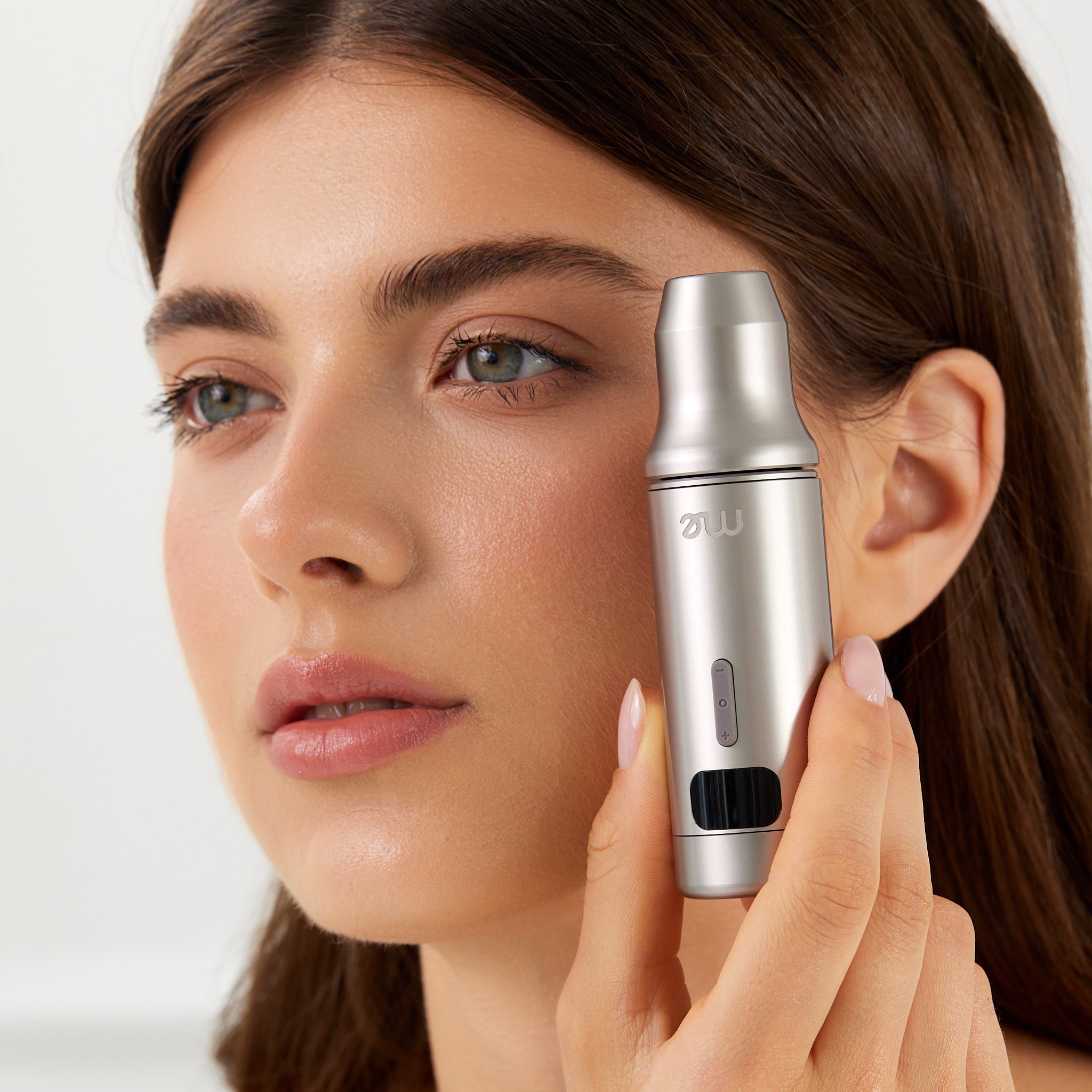
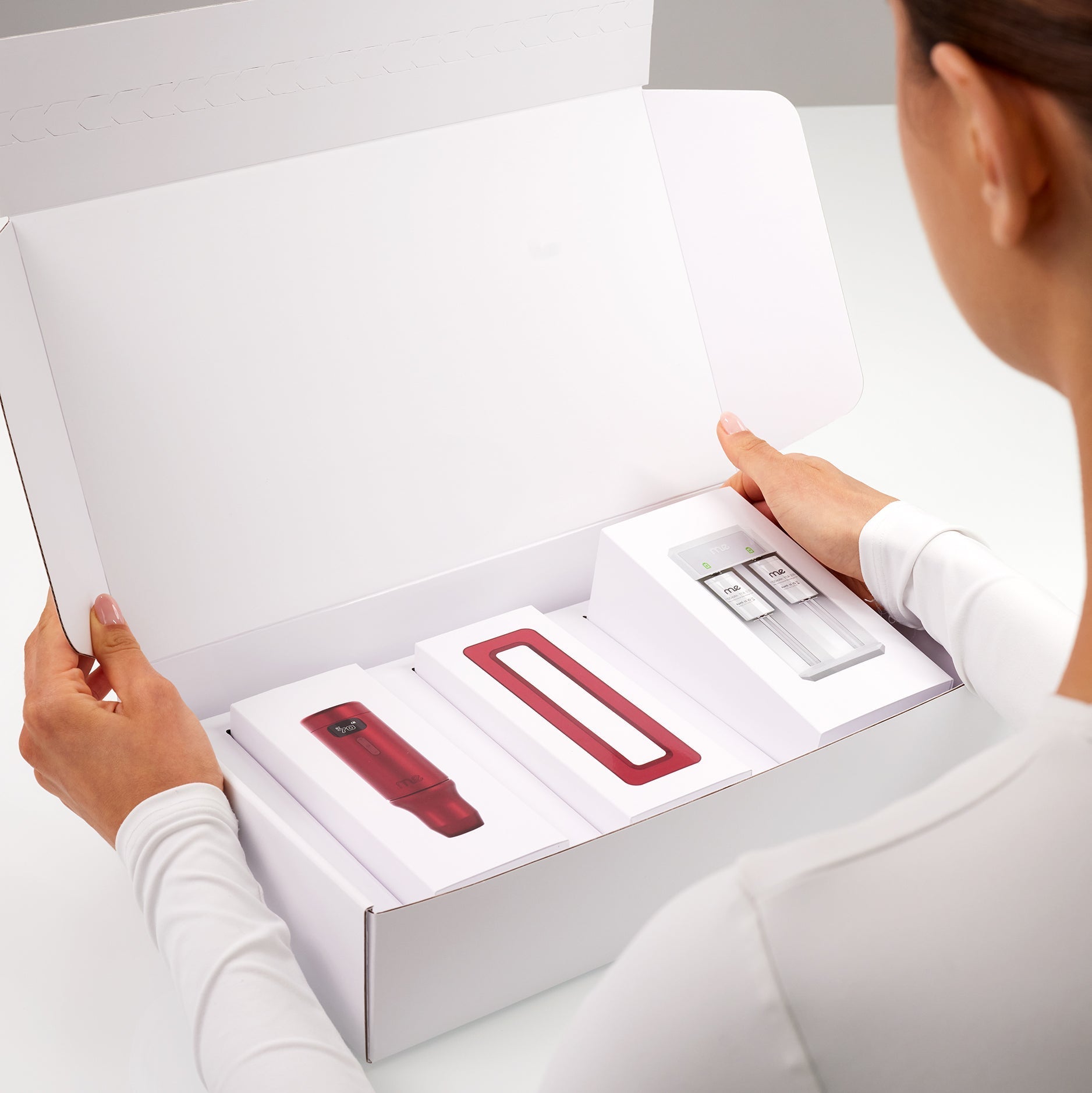
That philosophy became one of the foundations behind the development of ME™ Motion Control™.

Leave a comment
All comments are moderated before being published.
This site is protected by hCaptcha and the hCaptcha Privacy Policy and Terms of Service apply.